In a busy clinic environment, accurate patient documentation is essential for effective diagnosis, treatment planning, and continuity of care. Traditional note-taking methods often lead to incomplete records, inconsistent documentation, and additional time spent during consultations.
With FelixaTouch Software, healthcare providers can streamline chief complaint documentation using a structured, fast, and clinically organized workflow.
What is Chief Complaint Documentation?
Chief complaint documentation refers to recording the primary reason a patient visits the clinic. This typically includes:
- Symptoms reported by the patient
- Stage and Duration of illness
- Doctor's Observation
- Associated medical history
- ICD code mapping
- Supporting reports and attachments
Accurate documentation helps maintain consistent patient records and supports better clinical decision-making during follow-up consultations.
Key Features of Chief Complaint Documentation in FelixaTouch
Structured Symptom Recording
Fast, standardized symptom documentation
Doctors can quickly document patient symptoms using a standardized format, reducing manual typing and improving clarity in clinical records.
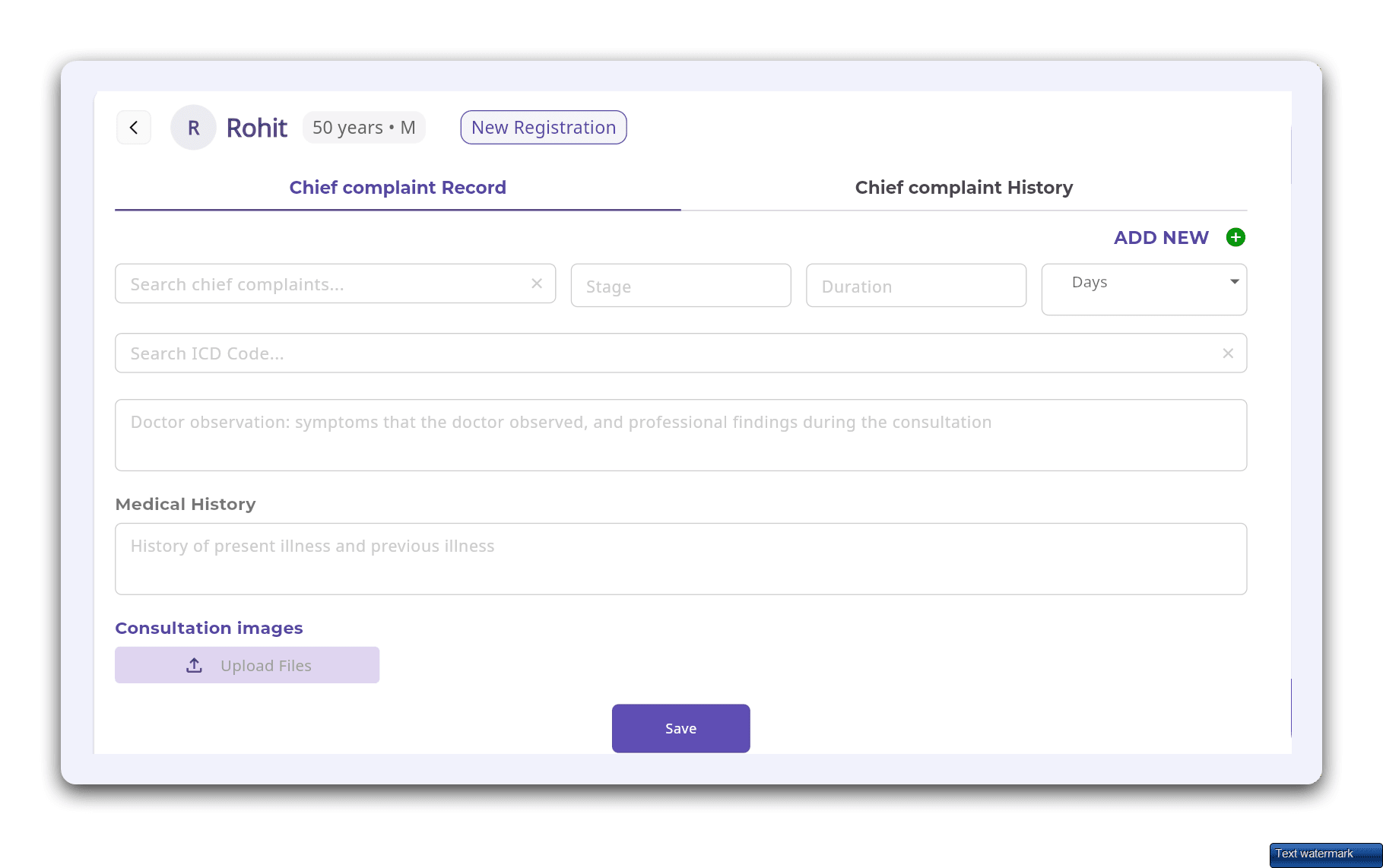
Figure 1: Chief Complaint Record screen in FelixaTouch
Duration & Severity Tracking
Accurate clinical evaluation support
Record symptom duration and severity to support more accurate clinical evaluation and treatment planning.
- Stage selection (e.g., Acute, Chronic)
- Duration entry in Days, Weeks, or Months
- Supports accurate treatment timeline planning
ICD Code Integration
Standardized diagnosis coding built-in
Built-in ICD code integration helps standardize diagnoses and simplifies medical record management across consultations.
Chief Complaint History Saved
Complete clinical picture at every consultation
Capture relevant patient chief complaint history alongside the current complaint to create a complete clinical picture.
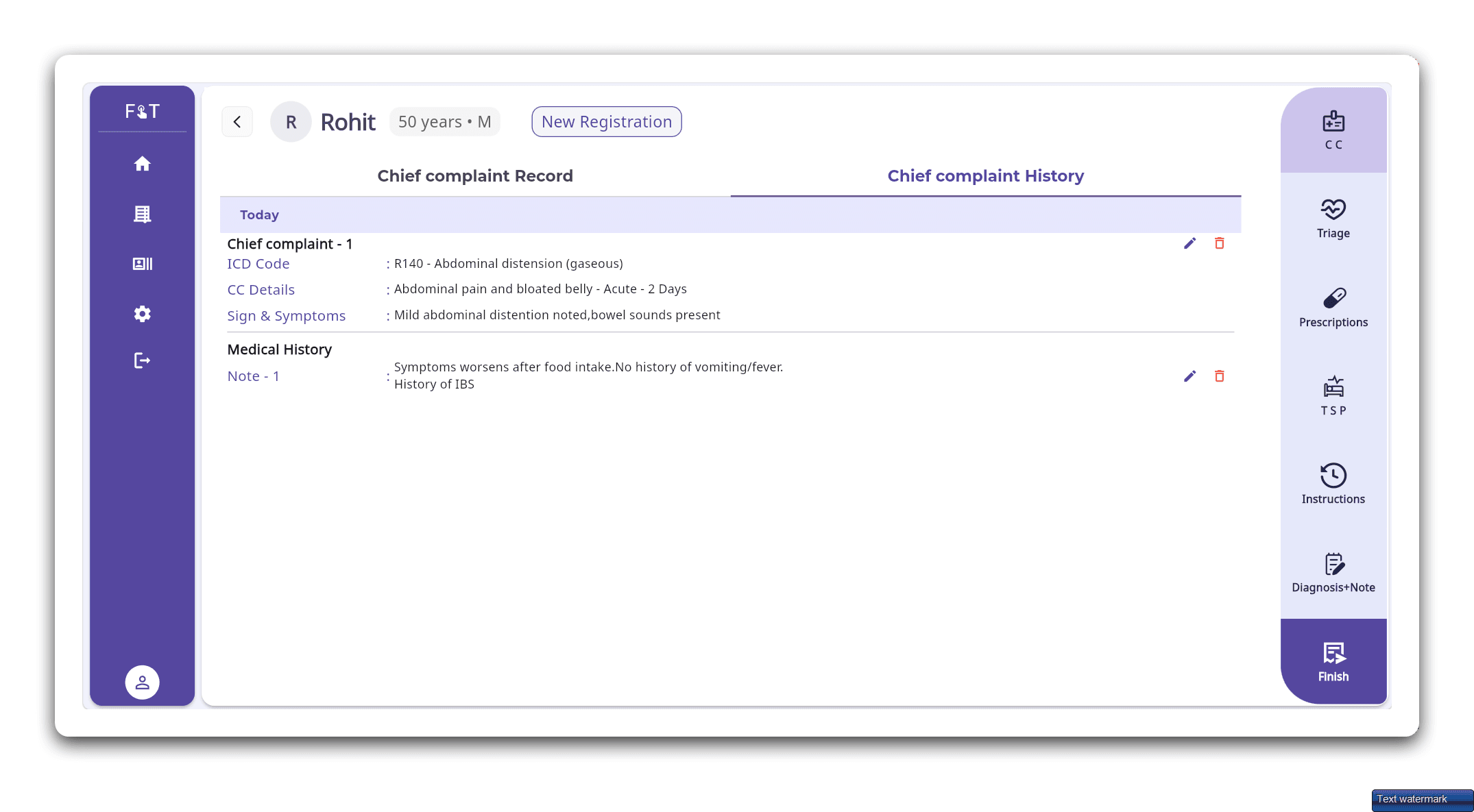
Figure 2: Chief Complaint History view in FelixaTouch
ICD codes, CC details, signs & symptoms, and medical history displayed in a structured timeline
Outcome:
Doctors can quickly review previous complaints, diagnoses, and treatment history during future visits, enabling better continuity of care.
Attachment Support
Upload documents directly into the patient EMR
Upload lab reports, prescriptions, scans, and other supporting documents directly into the patient EMR.
- Lab reports and diagnostic scans
- Previous prescriptions
- Referral letters and specialist notes
- All stored securely within the centralized EMR
Why Clinics Need Structured Chief Complaint Documentation
Faster Consultations
Predefined workflows help doctors complete documentation efficiently during patient visits.
Improved Clinical Accuracy
Structured records reduce missing information and improve consistency between consultations.
Better EMR Organization
All complaints, history, ICD codes, and attachments remain securely stored within a centralized EMR system.
Enhanced Follow-Up Care
Doctors can quickly review previous complaints, diagnoses, and treatment history during future visits.
Ideal for Multi-Specialty Clinics & Hospitals
FelixaTouch Software is suitable for a wide range of healthcare settings:
- General Practice Clinics
- Dental Clinics
- Dermatology Clinics
- Multi-Specialty Hospitals
- Specialty Consultation Centers
The system helps healthcare providers maintain organized, accessible, and accurate patient records with minimal effort.
Conclusion
Efficient chief complaint documentation plays a critical role in delivering quality patient care. A structured EMR workflow not only saves consultation time but also improves documentation quality, clinical accuracy, and continuity of care.
With FelixaTouch EMR Software, clinics and hospitals can simplify clinical documentation while maintaining well-organized digital patient records.
Ready to Streamline Your Clinical Documentation?
Experience faster, structured, and error-free chief complaint documentation with FelixaTouch. Book a free demo today and see how we can transform your clinic's records management.